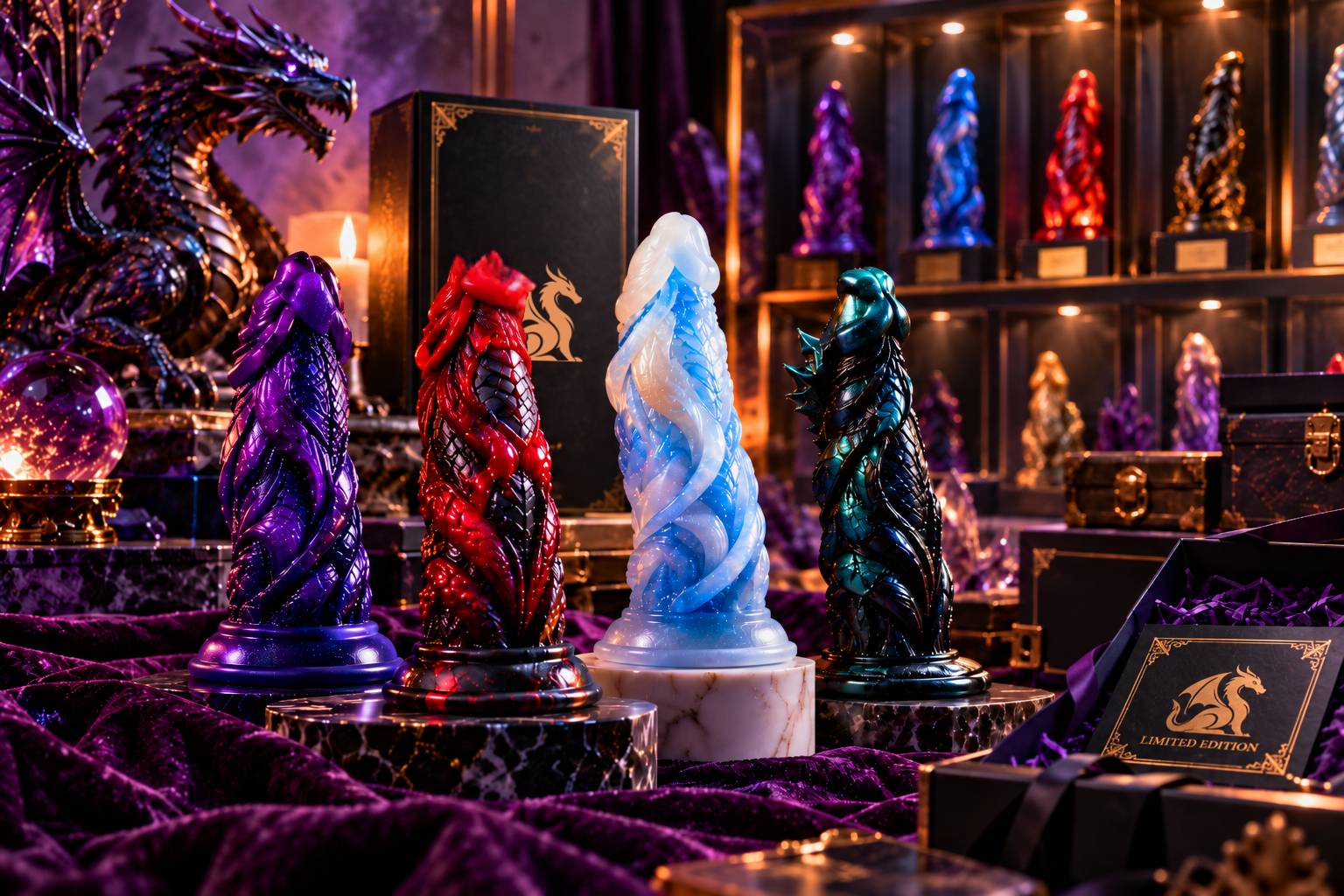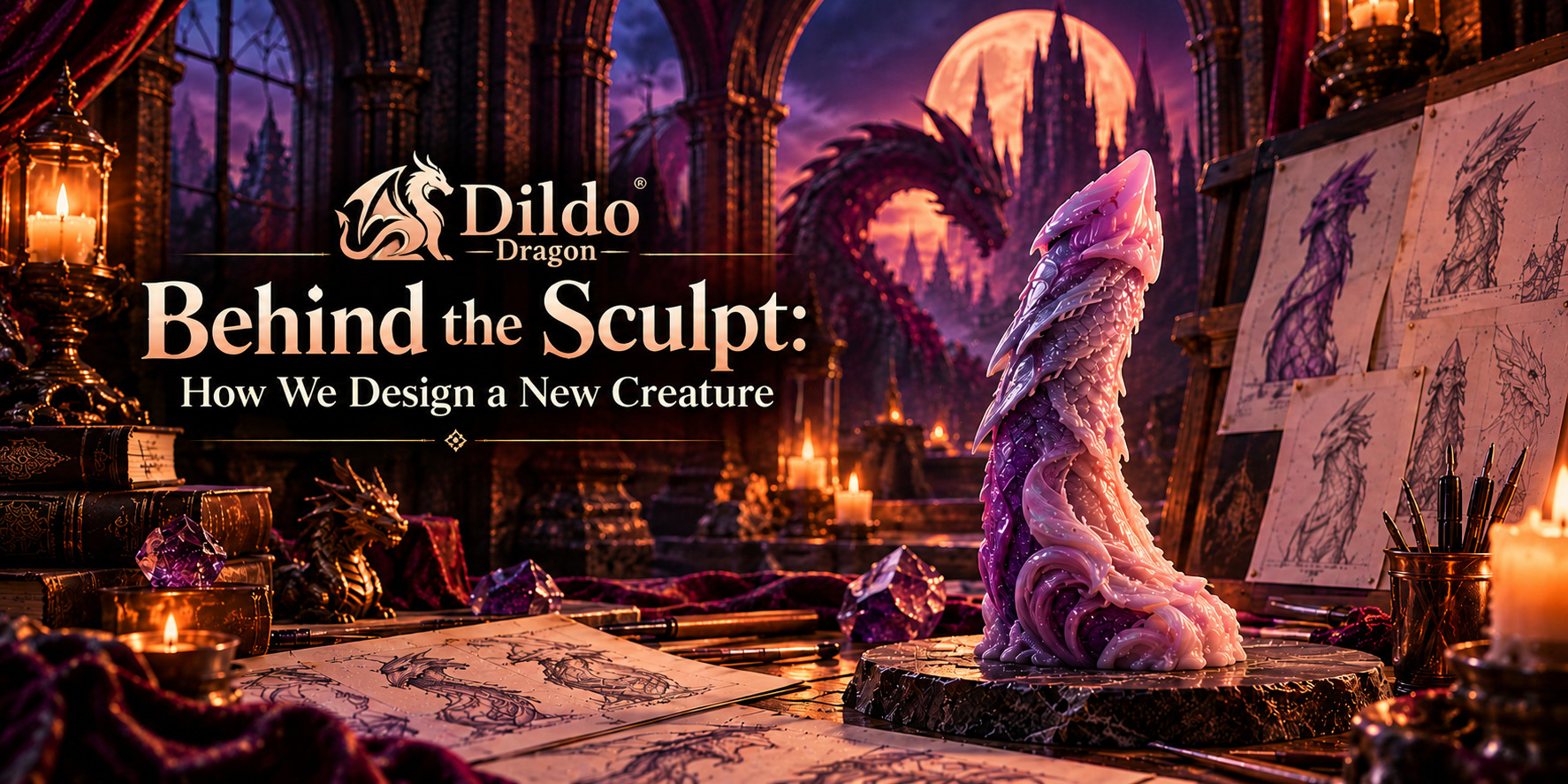
Creating a new fantasy creature is more than developing an unusual shape and turning it into a finished product. A strong design often begins with a simple idea, then develops through concept work, sculpting, detailing, testing, and refinement. Each stage helps shape the final character and ensures that its different elements work together as one cohesive design.
At Velvet Hoard, the fantasy toy design process focuses on transforming imaginative creature concepts into distinctive fantasy designs. From the first concept to the finished sculpt, each decision helps establish the character’s proportions, silhouette, textures, and overall visual identity.
Where a New Creature Begins
Every creature design starts with an idea. Inspiration can come from dragons, mythical animals, fictional creatures, or completely original concepts. At this early stage, the focus is not on adding as many details as possible. Instead, the goal is to determine what makes the creature recognizable and what kind of visual personality it should have.
The fantasy toy design process begins by considering the creature’s overall shape, proportions, defining characteristics, and creative direction. These decisions provide the foundation for later stages and help keep the design consistent as it develops from an initial concept into a three-dimensional form.
Developing the Initial Concept
An early concept sketch provides a visual starting point for the creature. It allows different ideas to be explored before the design becomes more complicated, making it easier to experiment with shapes, proportions, and distinctive features.
Not every element from the first concept will necessarily appear in the final design. Some features may be adjusted, simplified, or redesigned as the character develops. This is an important part of creature concept design, because the original idea needs enough flexibility to evolve while maintaining its core identity.
Building the Character Design
Once the initial concept has a clear direction, the next stage focuses on developing the character itself. This means deciding how the major forms relate to one another and how the creature should appear from different viewpoints.
A successful fantasy creature design needs more than interesting individual features. The head, body, curves, textures, and signature characteristics should feel as though they belong to the same character. When these elements work together, the final design feels more intentional and recognizable.
Finding the Right Proportions
Proportion is one of the most important elements of fantasy character development. A feature that looks balanced in an early drawing may appear too large, too small, or disconnected once the design becomes three-dimensional.
As part of the fantasy toy design process, designers can adjust different parts of the character as the sculpt develops. Comparing the major forms helps create better visual balance while preserving the concept that made the creature interesting in the first place.
Creating a Recognizable Silhouette
A silhouette is the overall outline of a character when smaller details are removed. A strong silhouette can make a creature recognizable before someone notices its textures or finer features.
For fantasy-inspired designs, distinctive curves, horns, wings, tails, or other structural elements can contribute to this identity. A clear silhouette also provides an important reference throughout the fantasy toy design process.
From Concept to Three-Dimensional Sculpt
After the concept and character direction are established, the design moves into sculpting. This is where a two-dimensional idea begins to take shape as a three-dimensional object.
The fantasy toy sculpting stage usually starts with larger forms rather than small surface details. Establishing the main structure first makes it easier to identify proportion issues and make changes before the design becomes more complex.
Establishing the Main Forms
The first stage of sculpting focuses on the primary shapes and proportions. The design may still look relatively simple, but this makes it easier to evaluate the overall structure without smaller details becoming distracting.
Once the major forms feel balanced, the design can gradually become more detailed. This creates a stronger foundation for textures, character features, and other visual elements that are added later.
Checking Different Angles
A three-dimensional creature needs to work from multiple viewpoints. A design that looks balanced from the front may look completely different from the side or rear.
Reviewing the sculpt from different angles is therefore an important part of the creature sculpting process. It can reveal areas that need adjustment and help ensure that the character maintains a consistent appearance from every direction.
Adding Texture and Character Details
Once the main structure has been established, the creature can begin to develop more personality. Surface textures, patterns, and signature features help transform a basic sculpt into a recognizable fantasy character.
These details should support the original concept rather than simply make the design more complicated. The strongest results usually come from choosing details that have a clear purpose within the overall character.
Developing Surface Texture
Texture can communicate the visual character of a creature. Depending on the concept, a design may incorporate scales, ridges, patterns, smooth areas, or other fantasy-inspired details.
Good fantasy toy design requires balance. Too many competing textures can make a design feel crowded, while too few details may leave the character without enough personality. Surface details work best when they complement the larger forms.
Defining Signature Features
Most memorable fantasy creatures have a few features that immediately distinguish them. These could include a particular head shape, horns, facial structure, wings, a tail, or another recognizable characteristic.
These signature elements become an important part of the fantasy creature design because they help preserve the character’s identity throughout the later stages of development.
Refining the Fantasy Toy Design
After the main features have been established, the design enters a refinement stage. This is where individual elements are reviewed together and small adjustments are made to improve the overall appearance.
The fantasy toy design process at this stage focuses on improving the relationships between existing elements so that the finished character feels cohesive from every angle. Refinement is not necessarily about changing the entire concept; it is about making the existing concept work better.
| Design Element | What Designers Consider |
|---|---|
| Proportions | How the major forms relate to one another |
| Silhouette | Whether the creature has a recognizable outline |
| Texture | How surface details support the concept |
| Signature features | Which elements define the character |
| Transitions | How different forms connect |
| Overall balance | Whether the complete design feels cohesive |
Balancing Major Features
Large features naturally attract attention, so they need to work together. If one element dominates too strongly, other parts of the creature may become less noticeable.
During refinement, designers may adjust the size, position, or shape of certain features. These changes are an important part of fantasy toy creation because they can improve the composition without changing the character’s core identity.
Improving Surface Transitions
The areas where different forms meet are also important. Smooth transitions can make a sculpt feel more cohesive, while abrupt changes may make individual sections appear disconnected.
Repeated adjustments to curves, edges, textures, and proportions can gradually improve the final appearance. This stage helps preserve the original concept while giving the design a more polished finish.
Creating and Reviewing a Prototype
A prototype provides an opportunity to evaluate the design as a complete object. Instead of looking only at sketches or individual sculpted sections, the entire character can be considered together.
The prototype can reveal differences that were difficult to notice during earlier stages. Proportions, surface details, overall balance, and the relationship between different features can all be reviewed before the design is finalized.
Comparing the Prototype With the Concept
The prototype is compared with the original concept to make sure the main characteristics have been preserved. Some differences are natural because a drawing and a three-dimensional object do not behave in exactly the same way.
The important part is maintaining the defining features that made the original concept recognizable. If a particular element does not translate as expected, it can be adjusted during the refinement stage.
Choosing Materials for the Design
Material selection is another consideration when developing a finished fantasy design. The material needs to work with the intended shape, surface details, and overall construction.
For detailed creature-inspired designs, material characteristics can influence how textures and sculpted features appear in the finished form. Material decisions are therefore connected to the broader fantasy toy design process rather than being treated as an entirely separate step.
Balancing Detail and Practicality
A concept may contain many small details, but not every feature needs to remain exactly the same in the final version. Some elements may need to be simplified or refined as the design moves from concept to physical form.
This balance is one reason how fantasy toys are made involves several stages. The finished design needs to retain the character of the original idea while remaining visually cohesive as a complete object.
What Makes a Fantasy Creature Design Stand Out?
A memorable fantasy creature does not necessarily need the most complicated design. A clear concept combined with a recognizable silhouette and a few distinctive characteristics can often create a stronger result.
The fantasy toy design process is not simply about adding more detail. It is about deciding which details matter and how they contribute to the creature’s identity. The most effective designs give viewers an immediate sense of what makes the character different.
A Strong Visual Identity
A creature becomes easier to recognize when its major characteristics work together. The overall shape creates the first impression, while textures and smaller details add depth to the character.
This is particularly relevant for fantasy toys for collectors, where a distinctive visual identity can make a design feel like a complete character rather than simply an unusual object.
Consistency Across the Design
Consistency does not mean every part of the creature needs to look identical. Instead, the different elements should feel as though they belong to the same character and creative world.
Maintaining this consistency from concept development through sculpting and refinement creates a stronger connection between the original idea and the finished design. This consistency is one of the key goals of the fantasy toy design process.
Why the Design Process Takes Time
Creating a new creature rarely happens in a single step. Ideas can change as they move from sketches into three-dimensional forms, and each stage can reveal something that was not obvious at the beginning. This attention to detail is part of the creative approach behind About Velvet Hoard page, where imagination and careful development come together to shape each design.
Revision is therefore a normal part of the fantasy toy design process. A creature may go through several adjustments before its proportions, textures, materials, and defining features work together. Each revision helps refine the original concept while keeping the character’s overall identity intact.
Some of the key elements reviewed during development include:
- Overall proportions and silhouette
- Character-defining features and textures
- Balance between visual detail and the main concept
- How the design looks from different angles
Learning From Each Revision
Each revision provides an opportunity to identify what works and what needs improvement. These observations can then influence the next version of the design.
Over time, this iterative approach can also strengthen the broader creature design process, allowing new concepts to benefit from lessons learned during previous projects.
From Concept to Finished Creature
The journey from an initial idea to a finished fantasy creature combines imagination, sculpting, experimentation, and refinement. This creative approach reflects the ideas and craftsmanship behind Learn More About Velvet Hoard, where fantasy-inspired concepts are developed into distinctive designs with their own visual identity.
The fantasy toy design process demonstrates why fantasy toy creation is about more than simply adding details. Every feature needs to contribute to the character and support the overall visual direction.
If you want to explore the finished designs created from this approach, browse the fantasy dildo collection to discover different creature-inspired styles.
Frequently Asked Questions About Fantasy Toy Design
What Is the Fantasy Toy Design Process?
The fantasy toy design process typically begins with an initial concept and continues through character development, proportion studies, sculpting, detailing, prototyping, and final refinement. Each stage helps transform an idea into a more complete design.
How Does a Fantasy Creature Design Start?
A fantasy creature design usually begins with a concept that establishes the creature’s appearance, proportions, personality, and defining characteristics. Early sketches help determine the direction before detailed sculpting begins.
Why Are Proportions Important?
Proportions determine how the major parts of a creature relate to one another. Balanced proportions can make the final character easier to recognize and help maintain consistency between the original concept and finished design.
What Is Fantasy Toy Sculpting?
Fantasy toy sculpting is the process of turning a two-dimensional creature concept into a three-dimensional form. It generally begins with the major shapes before textures, smaller details, and defining characteristics are developed.
Why Is a Prototype Important?
A prototype allows designers to examine the complete design as a physical object. It can reveal differences in proportions, surface details, and overall appearance that may not be obvious during earlier stages of the fantasy toy design process.
What Makes a Fantasy Creature Memorable?
A memorable creature usually has a clear visual identity. A recognizable silhouette, distinctive proportions, and a few signature features can help a character stand out without relying on excessive detail.
Where Can I Explore Velvet Hoard’s Fantasy Designs?
You can explore the fantasy dildo collection to discover creature-inspired designs, fantasy characters, and unique sculpted styles from Velvet Hoard.
Final Thoughts
The fantasy toy design process combines imagination with careful development. A creature may begin as a simple idea, but turning that idea into a finished design requires attention to proportions, silhouette, textures, materials, and signature characteristics.
From the first concept sketch to the final refinement, each stage contributes something different. The goal is not simply to create a detailed creature, but to develop a design where the different elements work together to create a recognizable and cohesive character.
If you want to see more of the finished designs, browse all Velvet Hoard products to explore different fantasy-inspired styles and creature designs.