Learning how to clean textured silicone toys properly is essential for maintaining their surface, removing residue, and following good hygiene practices. Unlike smooth designs, textured silicone toys may have ridges, grooves, scales, spirals, or recessed details that require extra attention during cleaning. If you enjoy creature-inspired designs, explore our fantasy dildo collection to discover different shapes and textures.
This guide explains how to clean textured silicone toys step by step, from checking the material and choosing a suitable cleaner to rinsing, drying, and storing the product. These practical silicone toy cleaning tips can help you care for your toy without relying on harsh chemicals or abrasive tools. Always check the manufacturer’s instructions first because construction, water resistance, and heat tolerance can vary between products.
Why You Need to Clean Textured Silicone Toys Carefully
Textured Surfaces Can Hold Residue
Raised patterns and narrow grooves create more surface variation than smooth designs. Residue from lubricant or bodily fluids may collect around scales, ridges, and recessed details if the toy is not cleaned thoroughly. This is why understanding how to clean textured silicone toys requires more than simply rinsing the outer surface.
When you clean textured silicone toys, pay attention to the areas where different patterns meet and where deep grooves are difficult to inspect. Work gently across the entire surface and check each section before finishing. The goal is to remove visible residue without scratching, damaging, or unnecessarily stressing the material.
The Toy’s Construction Determines the Cleaning Method
Although many fantasy toys are made primarily from silicone, their designs may include motors, charging ports, inflatable components, seams, or other features that affect cleaning. A non-motorized toy that is safe to wash under running water may require a different method from an electronic or water-resistant model.
Before deciding how to clean textured silicone toys, read the product’s care instructions and confirm whether it can be rinsed, soaked, or exposed to particular cleaning products. Never assume that a silicone exterior means the entire product is waterproof. Following product-specific directions is one of the most important parts of responsible textured sex toy care.
How to Clean Textured Silicone Toys Step by Step
Step 1: Inspect the Toy Before Cleaning
Begin by examining the entire toy under good lighting. Look closely at deep grooves, raised details, seams, and areas where the texture changes. Check for cracks, persistent stickiness, peeling coatings, unusual discoloration, or other visible signs of deterioration.
This inspection helps you identify areas that need extra attention and determine whether the product remains in suitable condition. If damage makes the surface difficult to clean thoroughly, stop using the toy until you can determine whether replacement is necessary. Good textured sex toy care starts with checking the product before and after cleaning.
Step 2: Rinse With Lukewarm Water When Appropriate
If the manufacturer permits water cleaning, rinse the toy with lukewarm water to loosen surface residue. Rotate the toy slowly so the water reaches different sides of the textured pattern. Pay particular attention to grooves and recessed areas rather than rinsing only the most visible surfaces.
Avoid very hot water unless the manufacturer explicitly allows it. Products may contain components that are sensitive to heat, and not every silicone toy is designed for the same cleaning conditions. For products with electronic parts or limited water resistance, use the specified wiping or cleaning method instead.
Step 3: Choose a Compatible Toy Cleaner
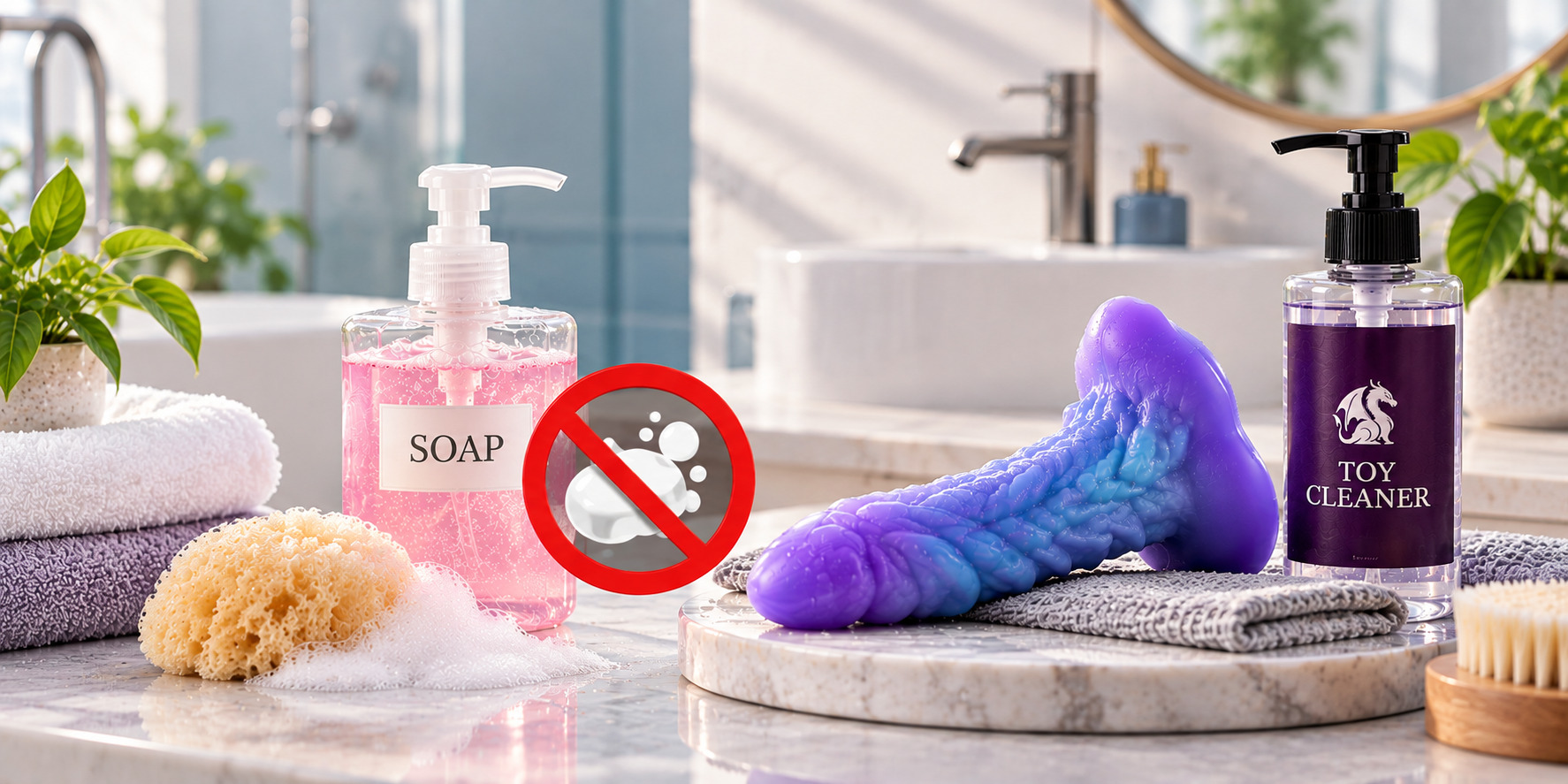
Select a cleaner intended for the toy’s material and confirm that the label states it is suitable for the product. Apply it according to the instructions, using only the recommended amount. A dedicated product from the toy cleaners collection may be an option if its directions confirm compatibility.
Choosing the right cleaner is one of the most useful silicone toy cleaning tips because stronger chemicals are not necessarily better. Avoid bleach, abrasive household cleaners, unapproved solvents, and products that may damage the finish. If the manufacturer recommends mild soap and water instead of a dedicated cleaner, follow that guidance.
Step 4: Gently Clean Every Ridge and Groove
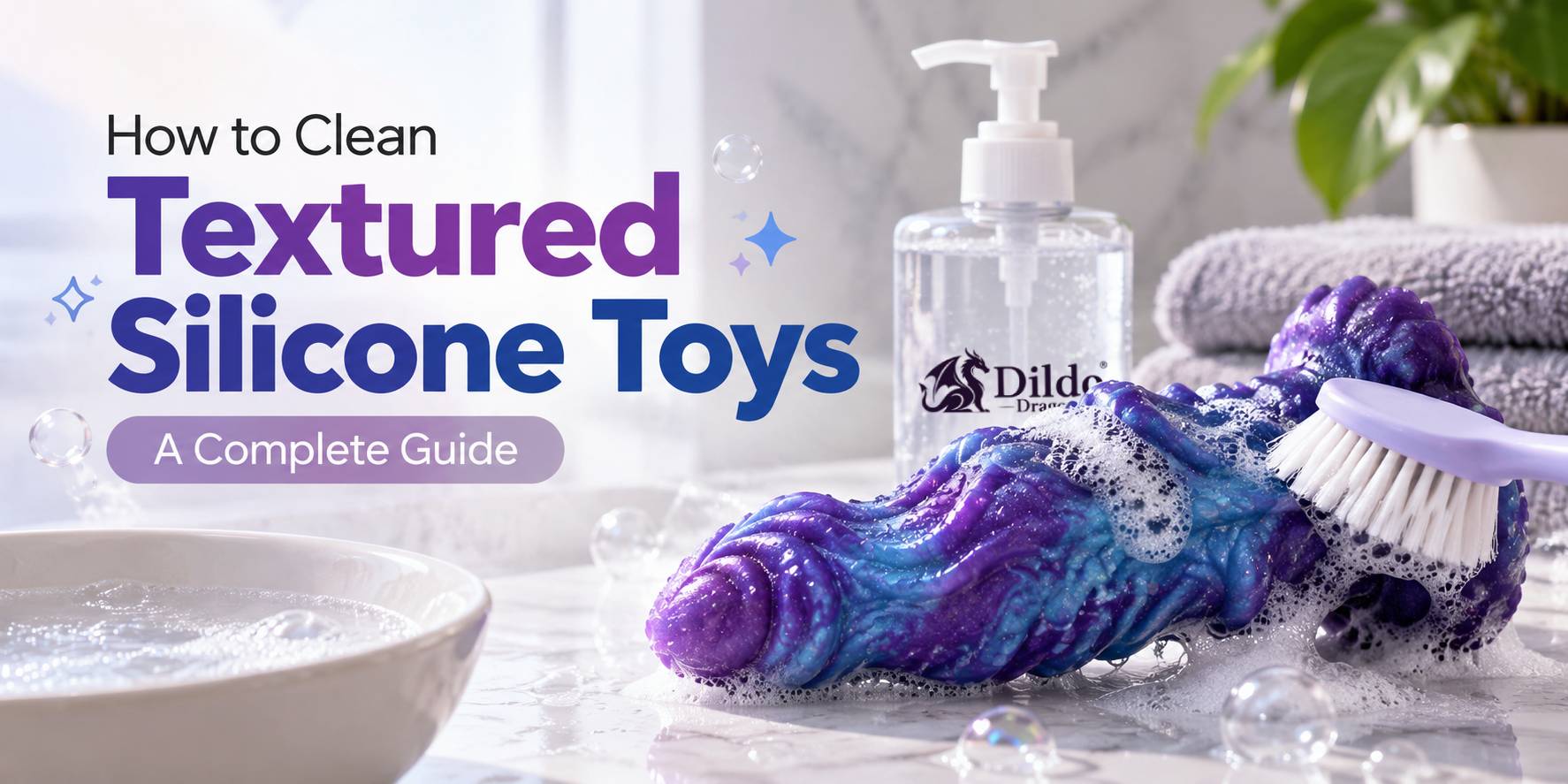
The most important part of learning how to clean textured silicone toys is reaching the entire patterned surface. Use clean fingers or a soft, non-abrasive cloth to spread the approved cleaner over the toy. Follow the shape of each ridge and groove, including narrow channels and small recessed details.
Do not scrub aggressively or use sharp objects to remove stubborn residue. Rough brushes, scouring pads, and abrasive tools can damage the surface and make future cleaning more difficult. If residue remains, repeat the appropriate gentle cleaning process rather than applying more pressure or switching to a harsher chemical.
Step 5: Rinse Away All Cleaning Residue
For toys that can safely be rinsed, use lukewarm water to remove the cleaner completely. Turn the product in different directions and inspect its surface from several angles. Cleaning is not complete if cleanser remains trapped in the grooves or leaves a film on the material.
If the product cannot be exposed to running water, follow its specific cleaning instructions instead. Some designs require a damp cloth or another limited-contact method. Knowing how to clean silicone sex toys safely means following the requirements of the individual product rather than applying one cleaning routine to every design.
Step 6: Dry the Entire Surface Thoroughly
Gently pat the toy with a clean, lint-free towel to remove excess water. Avoid rough rubbing, particularly around delicate surface details. Then allow the product to finish air-drying in a clean, well-ventilated area before storage.
Deep grooves may retain moisture even when the outer surface feels dry. Check recessed sections carefully and do not place the toy in a closed container while damp. Thorough drying is an essential step in learning how to clean textured silicone toys because washing alone does not complete the care routine. For more product care information, visit our Frequently Asked Questions page.
Which Products Are Suitable for Cleaning Textured Silicone Toys?
Dedicated Toy Cleaners
A cleaner specifically formulated for the relevant toy material can be a convenient choice. Check the label for compatibility with silicone and the product’s construction, and follow its instructions for application and rinsing. Avoid assuming that a product is suitable simply because it is marketed as antibacterial or intended for general household cleaning.
When comparing products, look for clear directions and material-compatibility information. If you are unsure whether a cleaner is appropriate, consult the toy manufacturer before using it. These precautions help you clean textured silicone toys without unnecessarily risking damage to their surface or components.
Mild Soap and Water
For products whose manufacturers permit it, mild, unscented soap and water may be suitable for routine cleaning. Use a small amount, gently work it across the textured surface, and rinse thoroughly. This method may be appropriate for compatible non-motorized toys, but it is not suitable for every construction.
Avoid soaking toys with electronic components, charging ports, or other sensitive features unless the manufacturer explicitly allows it. If the instructions specify a dedicated cleaner or a damp-cloth method, follow those directions instead. Effective silicone toy cleaning tips always begin with the product’s care requirements.
Common Mistakes to Avoid
Scrubbing Too Hard
Aggressive scrubbing may damage the surface, particularly around delicate ridges and raised patterns. Avoid rough sponges, metal brushes, sharp tools, and abrasive cleaning products. When you clean textured silicone toys, patience and gentle contact are more appropriate than force.
If a groove remains dirty, repeat the approved cleaning process and inspect the area again. Do not assume that harder scrubbing will produce a better result. Protecting the surface helps preserve the toy’s condition and makes regular cleaning easier.
Skipping Rinsing or Drying
Leaving cleaner behind may cause residue to remain on the surface, while storing a damp toy can trap moisture. These are avoidable mistakes that can undermine an otherwise careful cleaning routine. Inspect the full pattern after rinsing and check deep recesses during drying.
Make rinsing and drying part of the same routine every time. The best silicone toy cleaning tips are simple, repeatable steps that cover the whole surface instead of focusing only on visible areas.
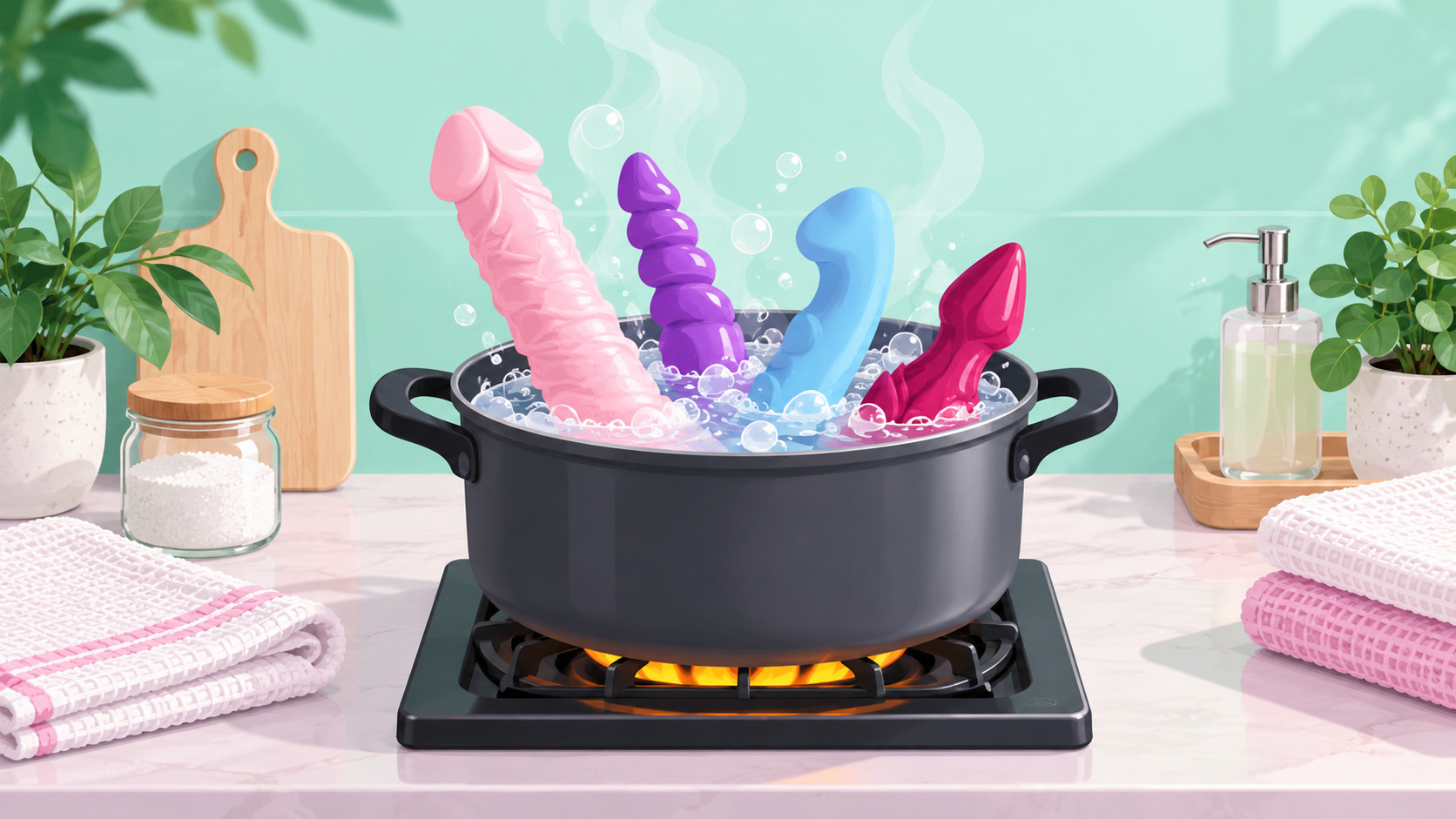
Assuming Every Silicone Toy Can Be Boiled
Boiling is not a universal cleaning or sterilization method. A toy may include components that cannot withstand high temperatures, even if its outer surface is silicone. Never boil a product unless the manufacturer explicitly confirms that the specific model is suitable for that process.
For additional guidance, read Can You Boil Silicone Sex Toys? A Safe Cleaning Guide. Always follow the instructions for your particular toy rather than assuming that all silicone products have the same heat tolerance.
How to Store Textured Silicone Toys After Cleaning
Once the toy is completely dry, place it in a clean, dry storage area away from direct sunlight, excessive heat, dust, and moisture. A suitable storage pouch or clean container can help protect the surface between uses. Keep the product away from materials or surfaces that the manufacturer identifies as incompatible.
Avoid stacking heavy objects on top of the toy, as pressure may distort certain shapes or damage delicate details. Inspect the product regularly for cracks, persistent stickiness, unusual odors, or changes in texture. If deterioration makes the toy difficult to clean thoroughly, stop using it and follow the manufacturer’s advice about replacement.
Proper storage is an important part of textured sex toy care, not an optional final step. Combining thorough cleaning with complete drying and suitable storage helps you maintain the product’s condition between uses.
How Often Should You Clean Textured Silicone Toys?
Follow the manufacturer’s instructions for cleaning after each use. If a toy is shared, follow its hygiene guidance, clean it between users, and use a fresh condom or appropriate barrier when recommended. A barrier does not replace proper cleaning.
The amount of attention needed depends on the design. Shallow ridges may be easier to inspect than deep grooves or intricate sculpted patterns. When deciding how to clean textured silicone toys after use, make sure the entire surface has been cleaned and that all required rinsing and drying steps are complete.
Frequently Asked Questions
How Do You Clean Textured Silicone Toys Safely?
To clean textured silicone toys safely, inspect the product, use a compatible cleaner, gently clean the ridges and grooves, and rinse or wipe according to the manufacturer’s instructions. Dry the entire surface before storing the toy. Do not use harsh chemicals or abrasive tools.
How Do You Remove Residue From Deep Grooves?
Apply a compatible cleaner and gently work it into the grooves with clean fingers or a soft, non-abrasive cloth. Rinse as directed and inspect the area under good lighting. Avoid sharp objects and aggressive scrubbing that could damage the surface.
Can You Use Alcohol to Clean Silicone Sex Toys?
Do not assume alcohol is safe for every toy. The formulation, surface finish, and product construction can affect compatibility. Use only cleaning products approved by the manufacturer for your specific product.
Should Textured Silicone Toys Air-Dry Before Storage?
Yes. Remove excess water with a clean, lint-free towel, then allow the toy to finish drying in a clean, well-ventilated area. Check deep grooves and recessed details before putting it away, since moisture can remain in these areas.
What Is the Best Way to Care for Textured Sex Toys?
Good textured sex toy care involves following the manufacturer’s instructions, cleaning the full surface with a compatible product, rinsing when appropriate, drying thoroughly, and storing the toy in a suitable environment. Inspect it regularly and discontinue use if damage prevents proper cleaning.
Final Thoughts
Knowing how to clean textured silicone toys properly comes down to a consistent routine: inspect the product, use an appropriate cleaner, gently work through every ridge and groove, rinse according to the instructions, and dry the entire surface before storage. Intricate designs may require more attention than smooth toys, but harsh chemicals and aggressive scrubbing are not necessary.
Use these silicone toy cleaning tips alongside the manufacturer’s care instructions, since construction, water resistance, and heat tolerance vary between products. You can also explore the toy cleaners collection for suitable cleaning options, checking product compatibility before purchasing.